Tweed Holiday Parks
Tweed Holiday Parks
Tweed Holiday Parks is the perfect place to relax, unwind and make memories.

With more than 50 per cent of the world’s whales found in Australian waters, Amber Jacobs shares the best whale watching spots.
Australia’s epic coastline and proximity to Antarctica and the Pacific Ocean makes our shores the most whale-populated in the world. There are 45 species of whales, dolphins and porpoises either calling Australia home or passing through.
Each year whales must embark on a migration to the shallower, warmer waters up north to breed as calves are born without the protective blubber required to survive winter near Antarctica. This annual phenomenon offers an incomparable opportunity to spot doting mother humpbacks and southern rights.
Visitors can marvel at the world’s biggest animals as they traverse Australia’s eastern and western coastlines.

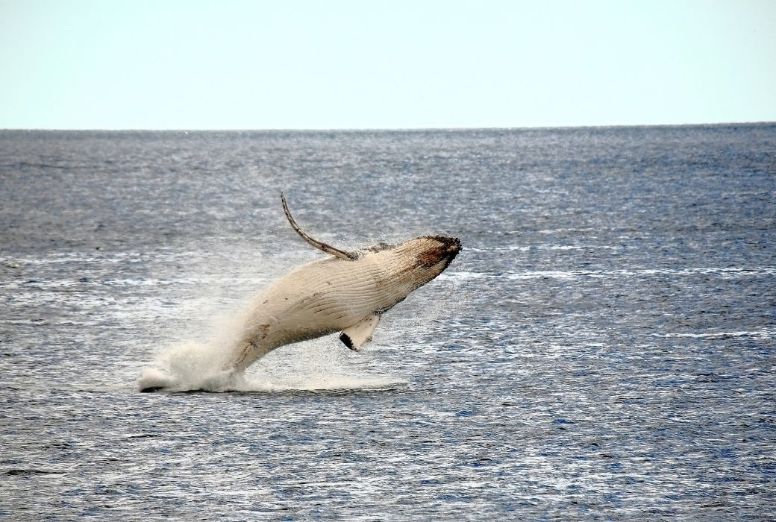
Humpbacks are particularly popular along the Sunshine Coast. They are renowned for impressive breaching behaviours, giving whale-watchers views of their 15-metre-long bodies. Sunreef Mooloolaba offers a rare opportunity to swim with the gentle giants in the warm waters of the Sunshine Coast. Weighing in at a mere 36,000 kilograms, humpbacks move slowly and their calm presence makes a close encounter truly moving. Kids must be aged eight or over and be strong swimmers. There is no touching to ensure the safety and comfort of both swimmers and whales.
Tucked between Queensland’s mainland and Fraser Island, Hervey Bay is a whalewatcher’s paradise. Humpbacks pass through on their migration between July and October. Researchers have found it to be a social hub and resting place for whales as they regroup on the long journey home to Antarctica. Humpbacks are comfortable around the whale-watching vessels that sail through the bay, often greeting passengers with a tail slap or two. During Freedom Whale Watch cruises, passengers will enjoy a visit to Platypus Bay to see the whales at play, followed by a tropical buffet lunch.
Fraser Island is a popular rest stop for humpbacks on their 5,000-kilometre migration. It doubles as a warm sanctuary to raise their young between August and October. Eco-friendly Kingfisher Bay Resort offers day cruises for whale-watchers. Guests are encouraged to wave and make noise as the whales seem to respond to the spectacle. The whales appear friendly, often gliding up to Quick Cat II of their own free will. Close encounters are guaranteed, but if you’d like to get even closer to these magnificent mammals, there’s the opportunity to swim with the whales.

Southern right whales pass through Warrnambool’s Logan beach on their way to sunny Queensland. The southern right makes its own unique journey with predominantly pregnant females migrating to Cape Byron. This is different from humpback migration patterns, where both males and females travel all the way to the Pacific. Enthusiastic watchers can see both mothers and calves from a purpose-built viewing platform as Logan Beach is transformed into a ‘whale nursery’.
Warrnambool also marks the beginning of the Winter Whale Trail: a 185-kilometre road trip along the Great Ocean Road that takes in some of the country’s most spectacular natural scenery. Passing through Port Fairy and Portland, keep your eyes peeled for southern rights, humpbacks, blues and the occasional orca.
Killer whales join the humpbacks and southern rights at Phillip Island. The fastest swimmers of all the cetaceans, killers have earned their name through their hunting abilities. To get among the action, hop aboard Wildlife Coast Cruises’ Winter Whale Cruise and circumnavigate the island. Kids of all ages will be enthralled by the speed and stealth of the whales as they breathe the salt air and admire coastal landscape formations from Pyramid Rock to the jagged headland of Cape Woolamai. Little ones will also love spotting dolphins, albatrosses and fairy penguins as well as thousands of fur seals at Seal Rocks.

With 26 golden beaches to choose from, Port Stephens is definitely the place for beach whale-spotting between May and November. Boat Harbour, Anna Bay, Fishermans Bay and Barry Bay are perfect locations to view whales or take a whale-watching tour with Imagine Cruises, beginning in Nelson Bay, to encounter humpbacks, dolphins and southern fur seals. If you would rather explore on foot, head to Tomaree National Park and follow the Tomaree Head Summit walk for one of the best vantage points to see whale pods and some of the most magnificent ocean panoramas in the country.
Thousands of humpback whales pass by this colourful, charismatic, coastal town between May and November. There are plenty of opportunities to spot the whales frolicking from land-based vantage points, including Cape Byron Lighthouse. If you’re lucky enough to be staying at The Oasis Apartments & Treetop Houses, you may even be able to spot them from your own Treehouse or Vue balcony. If you’d rather be in the midst of the action, enjoy a whalewatching cruise or try a kayaking tour to see these majestic mammals up close.
You don’t need to leave the city to get up close and personal with the whales. During the northern winter migration, an estimated 20,000 of them pass within view of Sydney’s shoreline on their way to warmer waters, providing an opportunity to spot a humpback, orca or minke whale. Whale Watching Sydney whisks guests from Circular Quay to the open ocean within 15 minutes aboard custom-built, super-fast vessels designed for maximum whale-watching time.
The serene seaside town of Eden marks the point where currents from the north and south meet, loading the waters of Twofold Bay with nutrients and providing an irresistible snack break for passing whales on their southern migration. It’s also worth dropping in to the Killer Whale Museum to learn about the town’s early whaling history and to see the huge whale skeletons.

In Western Australia, Albany’s coast attracts humpbacks and southern rights as well as the rarer blue whale. The whales visit between May to October on their trek to the warm breeding grounds of Broome. The endangered blue whale is the largest animal known to have existed, growing up to 30 metres. Albany was once home to a whaling station that stopped operating in 1978, but the town has come full circle, now providing a sanctuary where calves can play and thrive. The old whaling station has been transformed into the Historic Whaling Station museum.
The World Heritage-listed Ningaloo Reef is the longest fringing coral reef in Australia, made up of 300 kilometres of vibrant underwater gardens. Exmouth is one of the best places on Earth to see the endangered whale shark, which is actually the world’s biggest fish, growing up to 18 metres in length. Whale shark season starts slightly before whale-watching season, beginning from March. Hop aboard the Whale Shark Safari for a 360-degree ocean view or don snorkelling gear to join the graceful creatures in the water.
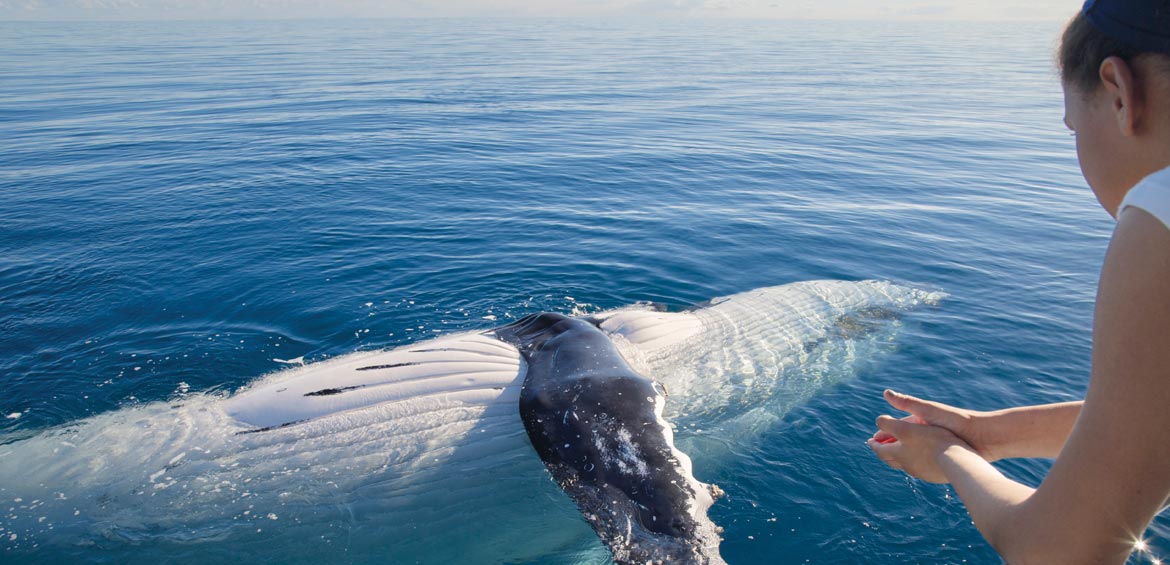
Just over an hour’s drive from Adelaide, Victor Harbor’s clear turquoise waters are a favourite hangout for southern right mums and bubs. Watch in wonder from the pier or surrounding cliffs as the mammals blow spray and do body rolls to reveal their gorgeous white-speckled bellies. For hands-on activities, young whale enthusiasts will love The South Australian Whale Centre where they can learn about whales and other local marine creatures in the interactive exhibits, 3D theatrette and Kidz Zone play area. Afterwards, head out on a Big Duck Boat Tour to otherwise inaccessible areas of coastline in an 11.3-metre, expedition-style boat.
The Great Australian Bight Marine Park covers 45,822 square kilometres of protected calving and gathering areas for southern rights, making it the perfect vantage point to witness these majestic giants in their natural habitat. If your wildlife-spotting exploits take you further, make sure to stop in at EP Cruises in Fowlers Bay for an unforgettable sunrise or sunset kayak tour in an aggregation area for southern rights.
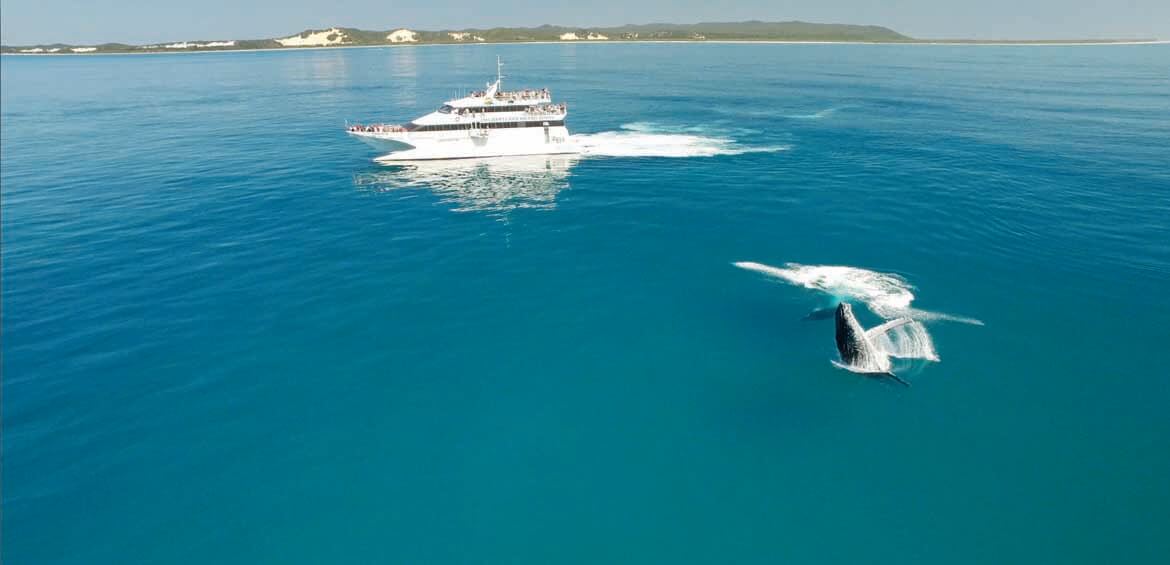
Freycinet Peninsula’s landscape of pink granite cliffs, forests and secret white beaches is the perfect backdrop for whale watching. Join the three-hour Freycinet Paddle with Freycinet Adventures. Or take a cruise with Freycinet Charters or Wineglass Bay Cruise for opportunities to observe the marine wildlife.
Maria Island has been nicknamed Tasmania’s Noah’s Ark, and it seems that whales are on board. Scout the blue-green waters for a marine Goliath on a Maria Cruise & Walk Day Tour. Get some local knowledge as you’ll view not only whales but wild seals and dolphins too.
This article originally appeared in Holidays with Kids magazine. To subscribe to the latest issue, click here.
Veitnam’s best beach resorts are located on pristine beaches. Telaxing on white sand beaches or...
Read More
Browse our selection of great family accommodation options around the world