Tweed Holiday Parks
Tweed Holiday Parks
Tweed Holiday Parks is the perfect place to relax, unwind and make memories.

From eco-friendly transport to cultural preservation initiatives, Aleney de Winter explores how forward-thinking destinations are making it easier for families to be green.
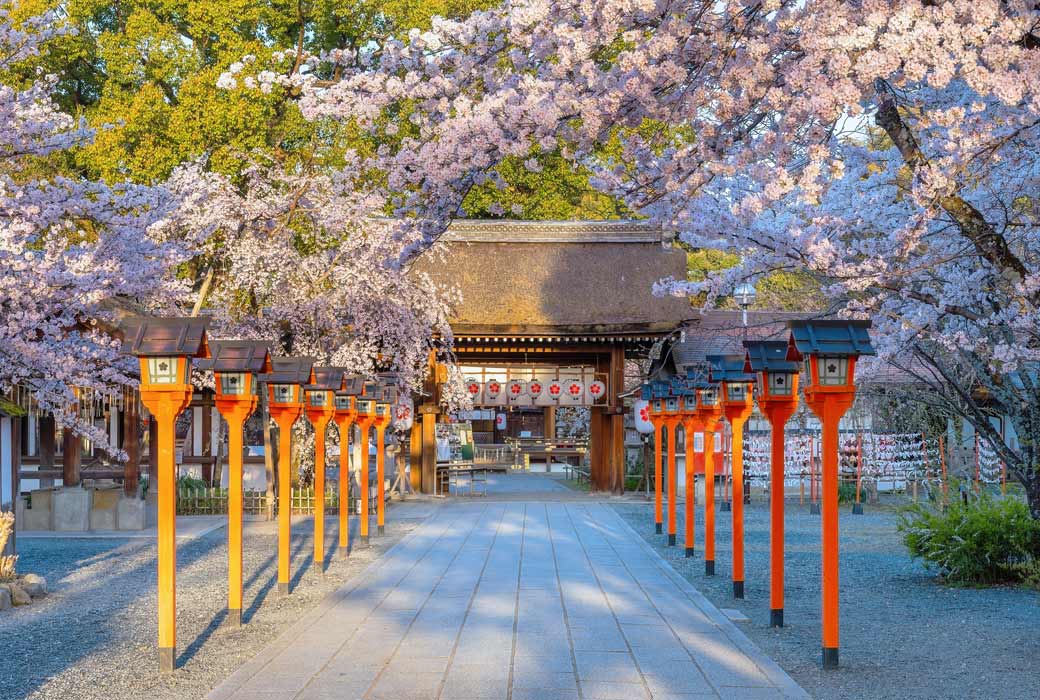
Tourism and sustainability can coexist, expecially in Kyoto, a city reliant on tourism. Whether done by choosing off-peak times, or by exploring one of Kyoto’s 1,600 temples and 400 shrines beyond the heavily touristed handful.
In fact, it’s relatively easy to be green in Kyoto, a city that is heartily embracing sustainable tourism. While it does face seasonal challenges at popular attractions, the city is taking steps to safeguard its culture, art, nature, and landscape for future generations. Kyoto is educating both visitors and businesses on responsible tourism practices. By working closely with the community, Kyoto is striving to harmonise tourism with the daily lives of residents. The city has even introduced a ‘Mind Your Manners’ educational tool to encourage visitors to respect local customs while addressing issues such as littering and congestion. The city encourages tourists to explore Kyoto’s pedestrian and bicycle-friendly streets to minimise their carbon footprint. To support this, the Kyoto City Cycle site provides information on bicycle rental locations, parking spots, and etiquette.
Kyoto is actively diversifying its tourism offerings by promoting lesser-known areas of the city through the ‘Hidden Gems of Kyoto Project’. By showcasing regions like Fushimi, Ohara, Takao, Yamashina, Nishikyo-ku, and Keihoku, Kyoto aims to alleviate the overcrowding at major tourist sites while revitalising rural areas. One approach is to encourage families to immerse themselves into local life by exploring eco-friendly agricultural tourism in stunning, traditional settings. BNR Farm in the Nishikyo-ku region and Ohara Farm in the Ohara region both offer opportunities to engage in hands-on farming while supporting sustainable businesses.
The Kyoto City Tourism Association is also recruiting businesses embodying the sustainable principles of the Kyoto Guidelines to help visitors easily identify responsible operators. And their sustainability efforts extend to cultural preservation. An accommodation tax, for example, supports the conservation of Kyoto’s traditional houses and cultural properties while enabling kids to experience traditional culture. And visitors can participate in the Preserve Kyoto Gift program, with donations directed towards safeguarding the city’s cultural heritage. Simply make a donation using your smartphone, and you’ll get an electronic gift certificate to be used at local restaurants.
In the United States, Colorado’s boundless skies, rugged peaks, and pristine wilderness have long beckoned travellers. But the beauty that draws people here is fragile. To preserve this for future generations, Colorado has become a giant in sustainable travel, urging visitors to enjoy its splendour while treading lightly. Through its ‘Do Colorado Right’ campaign, the state is guiding visitors towards responsible tourism by offering practical solutions for travellers eager to minimise their environmental footprint and protect what makes Colorado extraordinary.
A central focus of Colorado’s sustainability efforts is reducing greenhouse gas emissions. The state has developed 17 EV Byways for scenic electric vehicle travel and expanded electric bus services in cities such as Aspen and Boulder. E-bike programs are also gaining popularity, offering a sustainable way to explore both trails and urban areas. Colorado is also dedicated to protecting its night skies, with a growing number of Dark Sky Parks and Communities, including Great Sand Dunes National Park and the towns of Westcliffe and Silver Cliff. These initiatives reduce light pollution, enhance conservation efforts, and offer exceptional stargazing.
Colorado cities are at the forefront of renewable energy, with Aspen and Glenwood Springs already achieving 100 per cent renewable electricity through hydroelectric, wind, and landfill gas sources. Glenwood Springs – known for its outdoor recreation and Old West history, has long been a pioneer in eco-friendly tourism. Visit Glenwood Springs has also introduced a Destination Stewardship and Management Plan and a customisable Wander Map, allowing visitors to create bespoke walking itineraries that sustainably enhance their experience.
Another key initiative is the management of the Hanging Lake Trail, which now requires hiking permits to mitigate the impacts of heavy foot traffic.

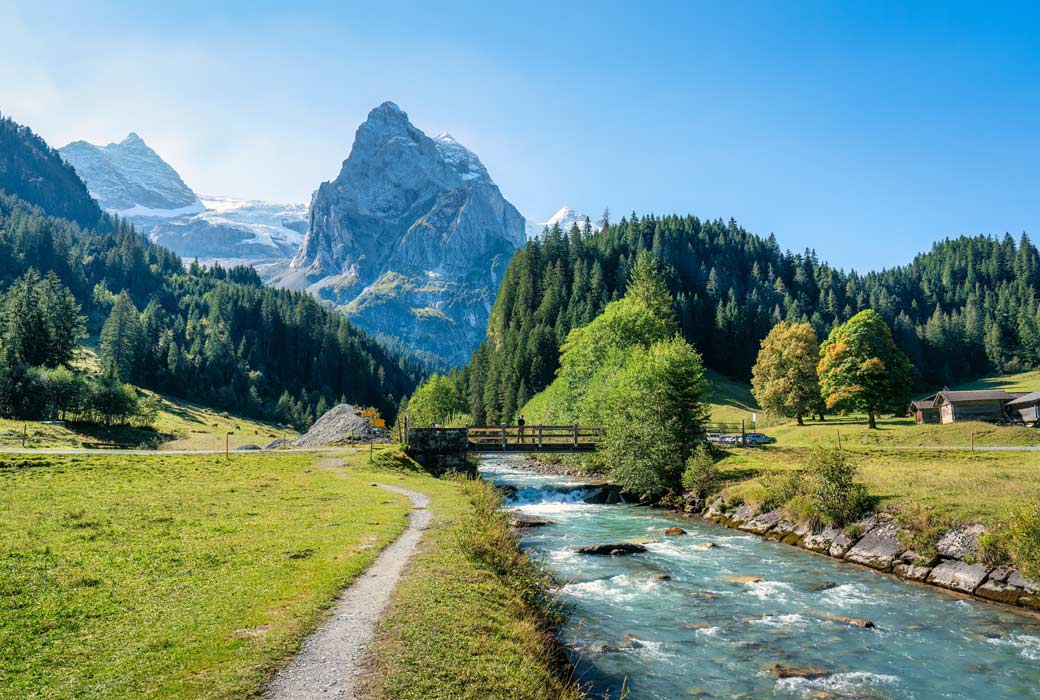
Switzerland consistently ranks among the world’s top sustainable travel destinations, and its Swisstainable initiative, involving nearly 3,000 tourism providers, reinforces this.
With its extensive public transport network, even the most remote mountain villages are accessible, showcasing breathtaking landscapes while promoting eco-friendly travel. But what really distinguishes Swiss tourism is its holistic approach, which goes beyond environmental concerns to include economic and social sustainability. Tourism is vital for many remote and mountainous regions, often providing the only source of employment.
In Lucerne, the Entlebuch region boasts Switzerland’s first UNESCO Biosphere Nature Park, where families can explore nature sustainably. The highlight is the Mooraculum, the country’s largest adventure park set in a bogland, offering fun and educational experiences for children. In the eastern Swiss Alps, Pradas Resort in Breil/Brigels offers a new kind of ‘serviced’ holiday apartments and houses, tailored for families, while St Moritz’s Randolins Family Resort, part of the Responsible Hotels of Switzerland group, offers a unique twist on the renowned destination, focusing on ecology and regional roots while providing a family friendly atmosphere. Both properties are certified by Ibex Fairstay, Switzerland’s leading sustainability quality seal. For other sustainable choices look for the Swisstainable logo.
New Zealand’s Tiaki Promise, created from a collective desire to foster a connection to nature, inspires and helps visitors do this, establishing a deeper connection and teaching kids (and their grown-ups) to respect the people and places they encounter during their travels.
New Zealand’s regenerative tourism approach is deeply rooted in Te ao Māori – the Māori worldview – with a goal for tourism to give back more than it takes, balancing the benefits of tourism with the need to protect and preserve the country’s unique environment and cultural heritage.
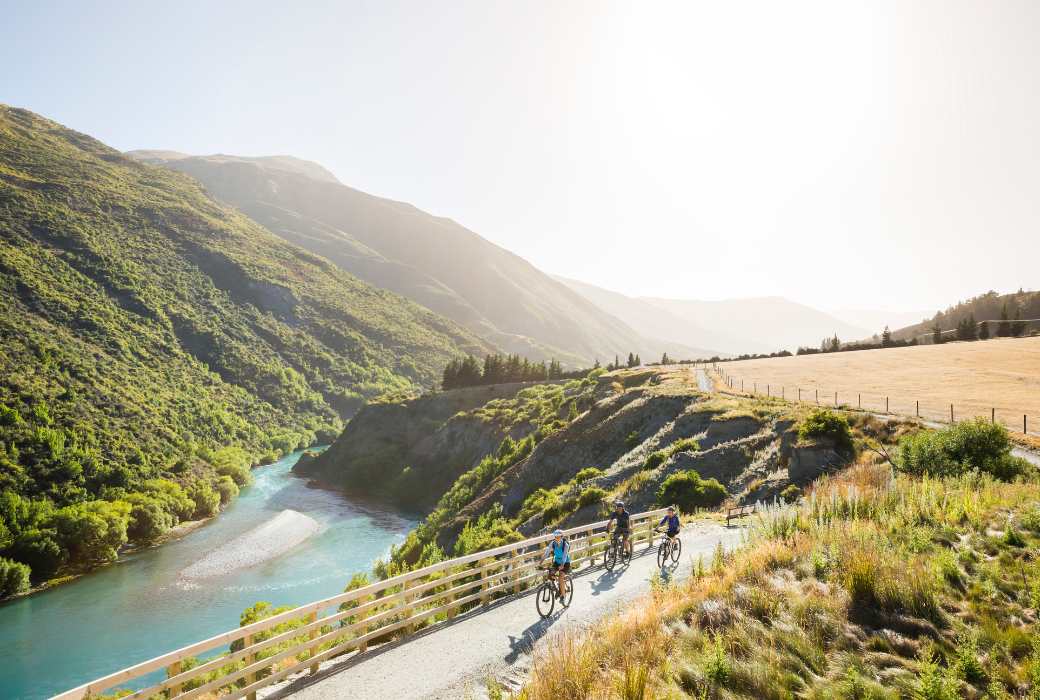
Eco-friendly experiences on offer in New Zealand that are perfect for families to learn more about the country’s conservation efforts include staying in places such as The Headwaters Eco Lodge in Glenorchy on the South Island and visiting an eco-sanctuary alive with rare and endangered wildlife, such as Sanctuary Mountain in the Waikato region of the North Island. And there’s good news for skiers too. Guided by the principle of kaitiakitanga, the ski industry is honouring its responsibility to care for the land they operate on. RealNZ, operators of Cardrona and Treble Cone, are committed guardians of the maunga (mountain), with numerous conservation, wildlife protection and community projects actioned through the Cardrona Foundation. Similarly, NZSki, which manages The Remarkables, Coronet Peak, and Mt Hutt, aims for carbon neutrality by 2030, and is implementing measures to reduce energy consumption.
You don’t need to travel far for an awesome Aussie eco-experience. Lane Cove National Park is a completely carbon-neutral park that runs on green power and is only 10 kilometres from the city. As well as eco-friendly accommodation, you can explore the river by rowboat, pedal boat or kayak from Lane Cove Boatshed. Enjoy the many hiking trails and more nature than anyone could ever soak up in a short stay.
Kingfisher Bay Resort on Fraser Island has been on my bucket list forever. Not only because K’Gari is beautiful, but also because this resort was specially designed to protect the island’s delicate ecosystem. Kingfisher offers awesome eco-friendly activities like bush tucker tours, ranger-guided night walks, whale watching and a supercool Junior Eco Rangers program, which helps kids learn about the environment.

The ultimate place to go bush, the Daintree is where the reef meets the rainforest and is the oldest tropical rainforest in the world. The protected rainforest has gazillions, give or take, of species of plants and animals. At the Daintree Discovery Centre, you can walk through the treetops and take guided tours to lean about the Daintree’s unique ecosystem. Plus, there are loads of other eco-friendly activities in the Daintree, like ziplining through the rainforest canopy.

A kid deserves a little luxury as much as the next person and Thala Beach delivers. It is a member of National Geographic Unique Lodges of the World because it has gone to huge efforts to protect the local wildlife and environment. As well as super schmick accommodation, there are on-site tours and experiences such as nature and wildlife walks, and guided stargazing. Oh, and because I’m always hungry, I have to mention that the food at the resort’s treetop restaurant is meant to be out of this world.
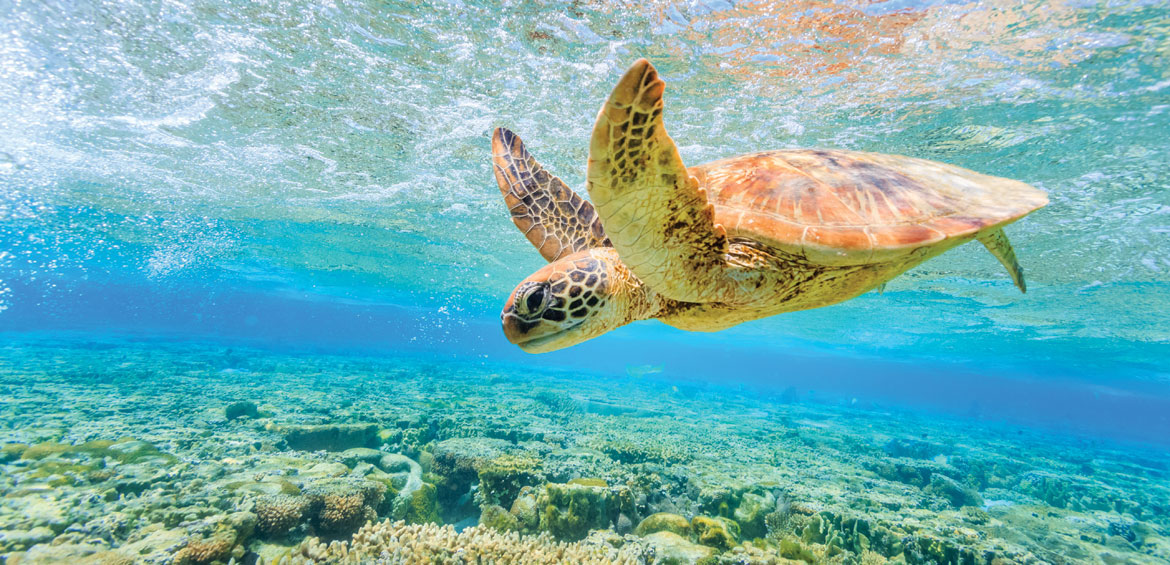
As a Junior Citizen of the Reef, Lady Elliot Island Resort is top of my bucket list. It’s the southernmost coral cay of the Great Barrier Reef and it’s off the charts for people who care about the ocean. You can snorkel with manta rays and there’s loads of colourful coral. Not to mention a kaleidoscope of fish, migrating humpback whales and turtles. Though these ones aren’t ninjas. Lady Elliot is a ‘Green Zone NO TAKE’ area so there are minimal impact rules to follow, which I think all resorts should have.
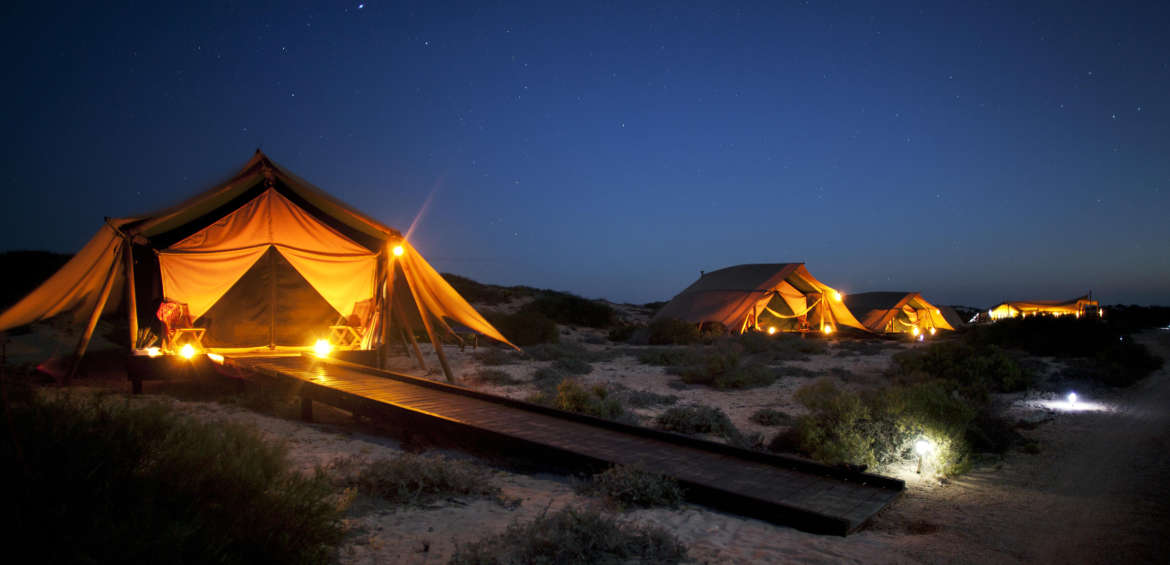
This place looks like a dream. It’s a luxury camp located right on the beach in Cape Range National Park that was designed to make the least possible impact on the environment. That means you can expect to enjoy the company of red kangaroos, wallaroos, rock wallabies, echidnas and loads of other native wildlife from your super posh tent. And it’s in the perfect spot to explore Ningaloo Reef where you can swim alongside the giant whale sharks.
This one has to be top of my list. I mean, who doesn’t want to visit the Red Centre? Uluru is a legit natural phenomenon and sacred to the Aboriginal people who live there. As well as “The Rock” and Kata Tjuta, the national park has stacks of wildlife, including reptiles, kangaroos and emus, plus epic outback sunsets, amazing hikes and a cultural centre to educate visitors about the land and the local Aboriginal culture.

This article originally appeared in Holidays with Kids magazine. To subscribe to the latest issue, click here.
Main image Kata Tjuta, Walpa Gorge © Tourism Australia/Tourism NT

It’s the classic gag when people come across our magazine, Holidays with Kids: How about...
Read More
Uluru is one of the most iconic landmarks in Australia yet many families put travelling to the...
Read MoreBrowse our selection of great family accommodation options around the world