Tweed Holiday Parks
Tweed Holiday Parks
Tweed Holiday Parks is the perfect place to relax, unwind and make memories.

How can families enjoy both emerging and sought-after destinations without jeopardising the essence of what lures us to them in the first place?
My son’s eyes are wide at the sight of Venice’s shimmering domes and golden spires which are inspiration for as many sonnets as there are people jammed into the labyrinthine streets. Squeezing through the crowd, our baby strapped to my chest and our pre-schooler straddling his father’s shoulders to keep him safe above the suffocating throng, we reach the Grand Canal to be met with a chaotic tangle of gondolas and taxis.
It has been 25 years between visits for me and with dawning horror I realise that La Serenissima (as Venice was traditionally known) is no longer so serene. Crowds are placing undue strain on infrastructure while offering little in meaningful contributions to the local economy. The result is a city dominated by souvenir shops, exorbitantly priced eateries and a dwindling population, as residents leave their city, taking the authentic essence of it with them.
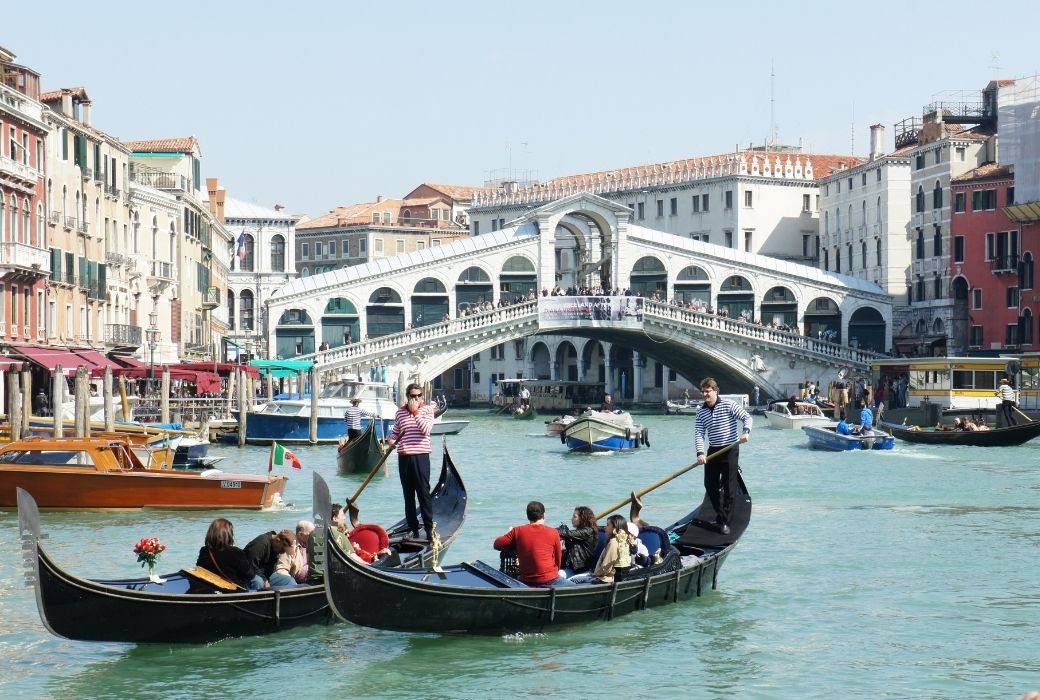
This crumbling beauty is being loved to death and I guiltily acknowledge my place as one of its executioners. In The Merchant of Venice, Shakespeare wrote, “I hold the world but as the world, Gratiano; A stage where every man must play a part, And mine a sad one.” The words are suddenly burdened with new meaning, and I ponder whether Shakespeare, if he were alive today, would find himself asking the same question as I am: “To visit or not to visit?”
The answer is yes, though with a couple of caveats. Opting for a boycott of a city that relies on tourism for its economic survival, only gives rise to new problems.
So, what is a traveller to do? Regardless of your destination, a thoughtful approach is paramount. It requires respect for residents, visiting off-peak, and lending support to local businesses. Is this doable in Venice? Yes. Navigating mist-shrouded canals in the cooler months offers a melancholy quiet, and rugging up is a small price to pay for skipping peak-season queues. The city itself has begun making changes. Along with prohibiting large cruise ships from entering the city centre, from 2024 a ticketing system will be introduced and entry fees imposed on day trippers to control visitor numbers.
Long before buzzwords like overtourism entered the vernacular, UNWTO defined tourism’s carrying capacity as the “maximum number of people that may visit a tourist destination at the same time without causing destruction of the physical, economic and sociocultural environment and an unacceptable decrease in the quality of visitors’ satisfaction.”
In a recent UNWTO report, secretary-general Zurab Pololikashvili said, “This can be achieved through community engagement, congestion management, reduction of seasonality, careful planning that respects the limits of capacity and the specificities of each destination, and product diversification.”
Too many people in the same place at the same time creates a strain on the environment, infrastructure and people and, as locals are displaced and fragile historical, and natural sites suffer under the feet of a conga line of enthusiastic visitors, some destinations are questioning if the economic benefits are worth it.

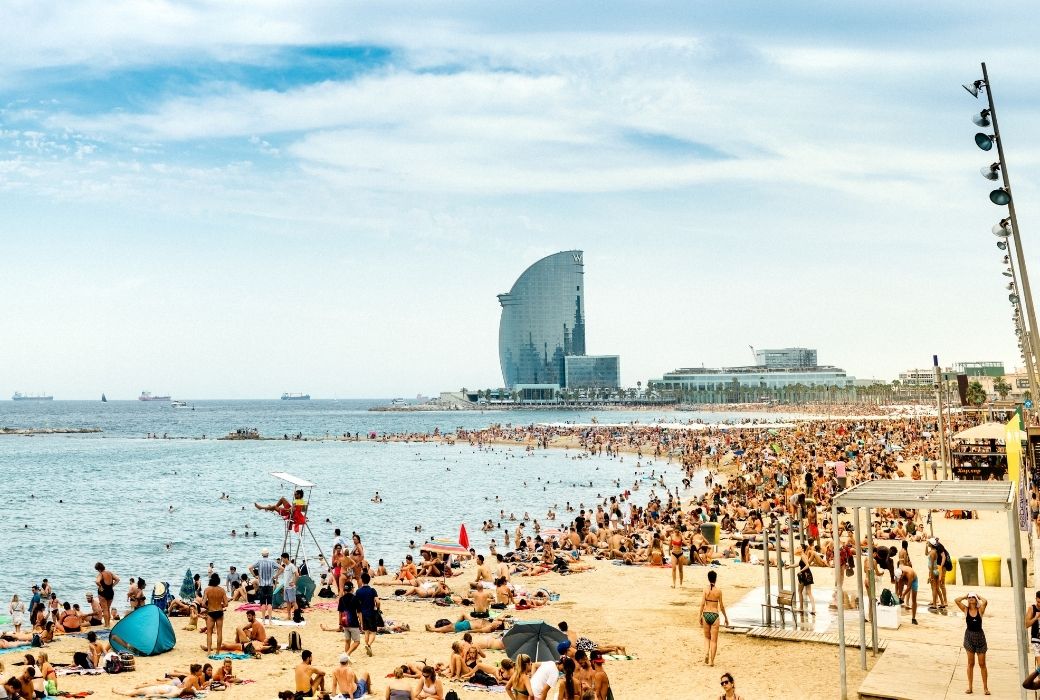
Barcelona, drowning under a rising wave of unsustainable tourism, has addressed the issue head-on with limits on the number of hotel beds in the city, bans on new hotels in the city centre, restrictions on cruise ships, limiting the expansion of its airport and increasing its tourist tax from 2024.
Following its lead, other European cities are stepping up to stem the wave of tourists. The persistent issue of congested narrow roads on Italy’s Amalfi Coast has prompted the introduction of a new alternate number plate restriction system. And Rome’s city council has banned tourist buses from the historic centre to protect both residents and sites like the Vatican and Colosseum.
From September 2023, access to the Acropolis in Athens has been limited to a maximum of 20,000 visitors per day to alleviate the strain on the fragile ancient site. To visit, individuals must now pre-book specific time slots, with visitor limits adjusted hourly.
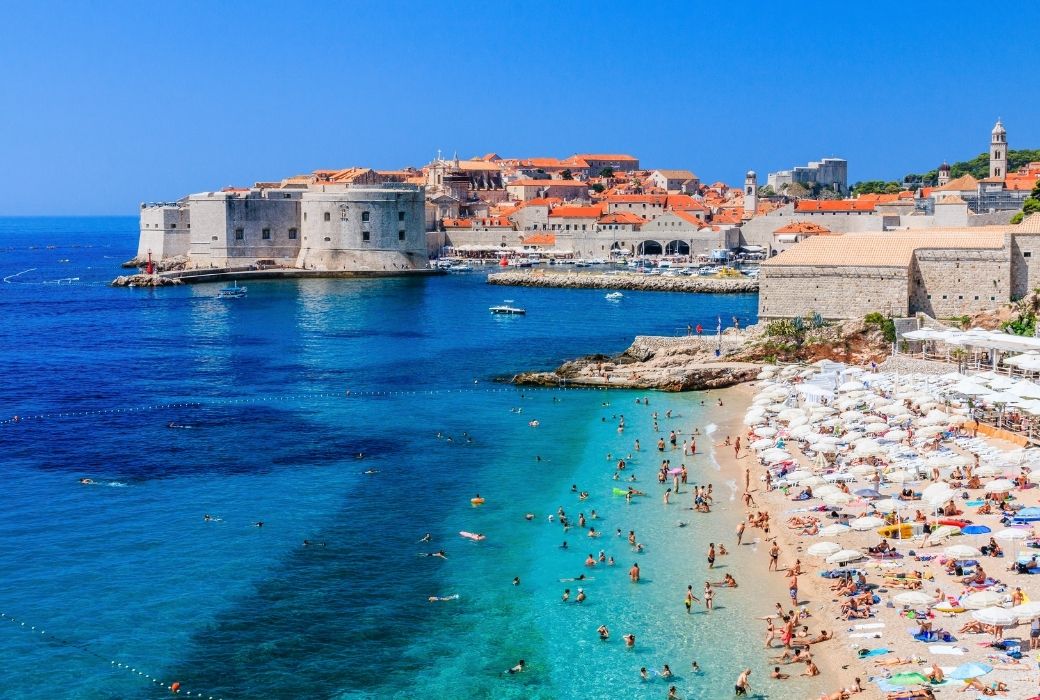
Dubrovnik’s 14th-century walls, which can hold a maximum of 8,000 people, have faced a significant surge in tourism, inspired in part by Game of Thrones. To stop those walls bulging to bursting point, cruise ship numbers have been halved, and a tourist tax for visitors staying in Dubrovnik will be used to fund sustainable tourism initiatives.
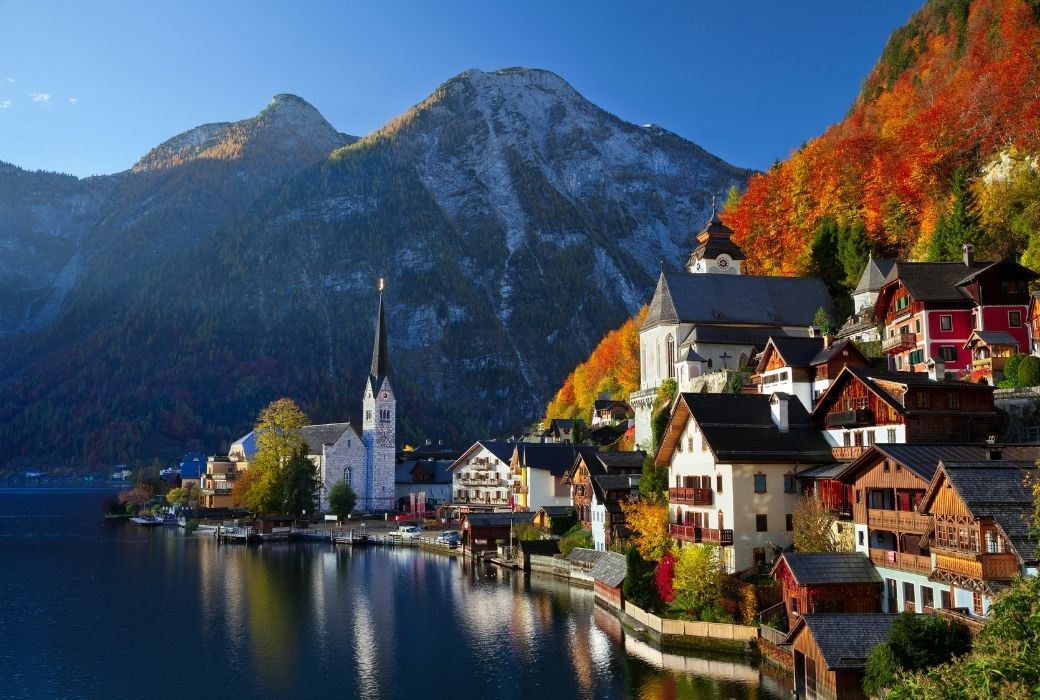
In the Austrian town of Hallstatt, said to have inspired the fictional Arendelle of Disney’s Frozen, the 700 residents have been grappling with an overwhelming influx of up to 10,000 daily tourists. Taking matters into their own hands, they installed wooden fences to block lakeside views and are pushing for limits on daily tourist numbers and bans on tour buses after five pm.
Even Paris, with 44 million visitors in 2022, faces a strain on its resources. To safeguard its heritage, the city aims to reduce tourist numbers by 20 per cent by 2025. Along with a country-wide ban on short-haul flights, which came into effect in May, advance ticketing and caps on visitor numbers for popular attractions are now being put in place.
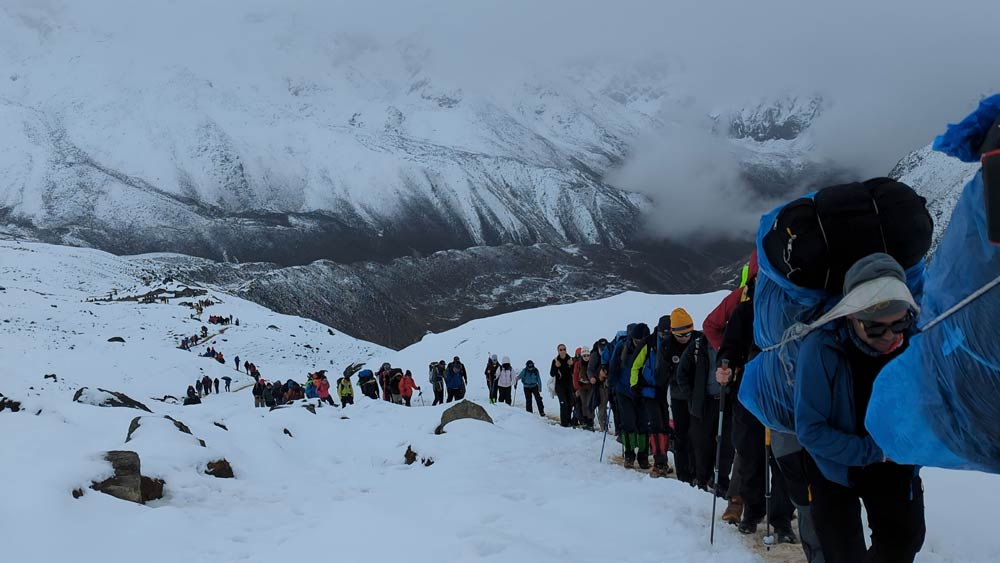
Of course, the issue extends beyond Europe. Think pictures capturing queues atop Mount Everest or an Everest Base Camp hike and a controversial proposal for a Machu Picchu airport triggered worldwide petitions. Here in the Pacific, the islands of French Polynesia are implementing measures to limit arrivals, from prioritising local cruise lines over larger international cruise ships and placing an annual cap on visitors.
While it is great to see destinations taking steps to stem the tide, the responsibility still ends with us. But that doesn’t mean we can’t still ‘have Paris’ or battle imaginary dragons in Croatia with our kids, we just need to approach things differently.
The first step is to take a good look at our own behaviour and expectations. “People moan about how crowded and expensive places are without reflecting that if you are stuck in a traffic jam, remember you are the traffic,” points out Carolyn Childs of MyTravelResearch.com.
“We all need to question our assumptions about tourism and what is reasonable for us to expect as tourists. I believe that leisure time and relaxation are vital to human wellbeing, but does our need for that relate to our right to go to a particular place and to disrupt it severely? Increasingly, we see travel as a right, not a privilege, but we need to have an acute sense of the needs of the place,” she says.
Carolyn suggests visiting outside the main travel seasons. “Not only will your family have a more local experience but contribute to building a more sustainable tourism industry with year-round jobs and amenities for locals,” she says. While she does acknowledge it can be tough for families of school-age children to travel off-season, she encourages parents to think about where they can go out of season.
Destination Canada provides a great example of striving for tourism growth that benefits local communities and visitors. “We encourage Australians to travel in off-peak seasons, such as autumn and extended winter months, which offer unique and remarkable adventures, while also allowing travellers to undertake those iconic Canadian experiences, such as road trips, wildlife viewing, the northern lights and a white Christmas,” says Julie King, managing director, Destination Canada GSA – Australia.
“Families can visit desired destinations by choosing to travel during off-peak seasons – this ensures we are expanding the seasonality in Canadian provinces and territories to grow tourism year-round, while taking the pressure away from popular locations in peak months. During autumn, you can undertake most of the outdoor experiences you can have during summer, such as wildlife viewing and hiking, while also enjoying adventures that you can’t have during summer, such as polar bear safaris and northern lights viewing. By travelling off-peak, families also have the chance to more easily connect with local communities and Indigenous cultures.”
Another option is to trade obvious tourist hotspots for ones that can offer a more authentic experience. Many cities suffering from undertourism are eager for attention – though again this should be approached through a thoughtful lens.
“I think as a responsible tour operator you have a duty, and an opportunity, to offer travel experiences to places that are undervisited. At Intrepid, we believe that travel can be a force for good and a big part of this is supporting destinations and local businesses where undertourism is prevalent,” says Kellie Birket – Intrepid Travel’s family product category manager.
“My advice for tourists is to consider the impact of your visit to an emerging destination to ensure it mutually benefits the destination and the locals who live there,” she says. Kellie also recommends small-group travel as huge amounts of people descending on a destination at the same time is not a sustainable way for tourism to develop and will likely overstretch resources and cause damage to the environment and infrastructure.
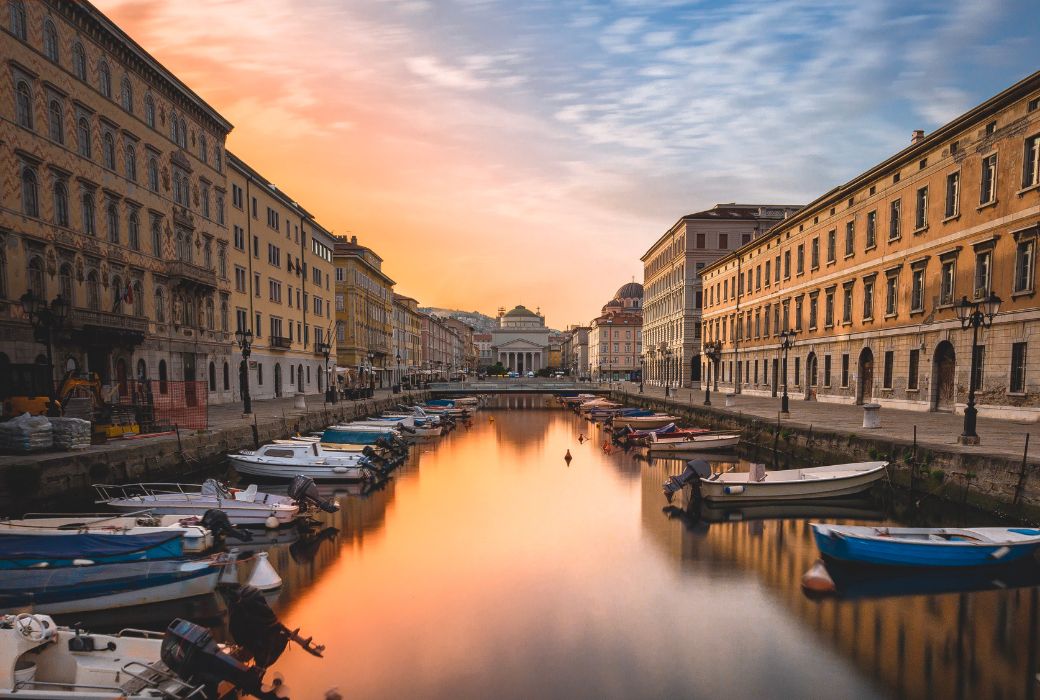
In Europe, instead of Venice consider Trieste, another elegant Italian city with a pretty palazzo-lined canal. Instead of stocking up on designer delights in Paris, visit the pretty city of Lille in northern France, where luxury brands like Hermès dot the Rue de la Grande Chaussée.
Trade Santorini for the turquoise waters and pretty pebble mosaics of Spetses. And in place of communing with Rome’s ruins consider visting Lebanon’s Baalbek, home to some of the most impressive Roman ruins in the world.
Skip the Maldives for Sri Lanka where idyllic beaches, crystal-clear waters, and luxurious accommodation await at a fraction of the cost. And swap Hawai‘i’s O‘ahu for Kauai, a less-developed island with more secluded beaches, lusher rainforests, and more dramatic scenery.
Intrepid helps emerging destinations avoid issues by ensuring tourism providers are prepared for travel demands. “In Bosnia and Herzegovina, we worked with USAID to upskill tourism businesses to be marketready and tested before launching our Bosnia and Herzegovina expedition,” explains Kellie.
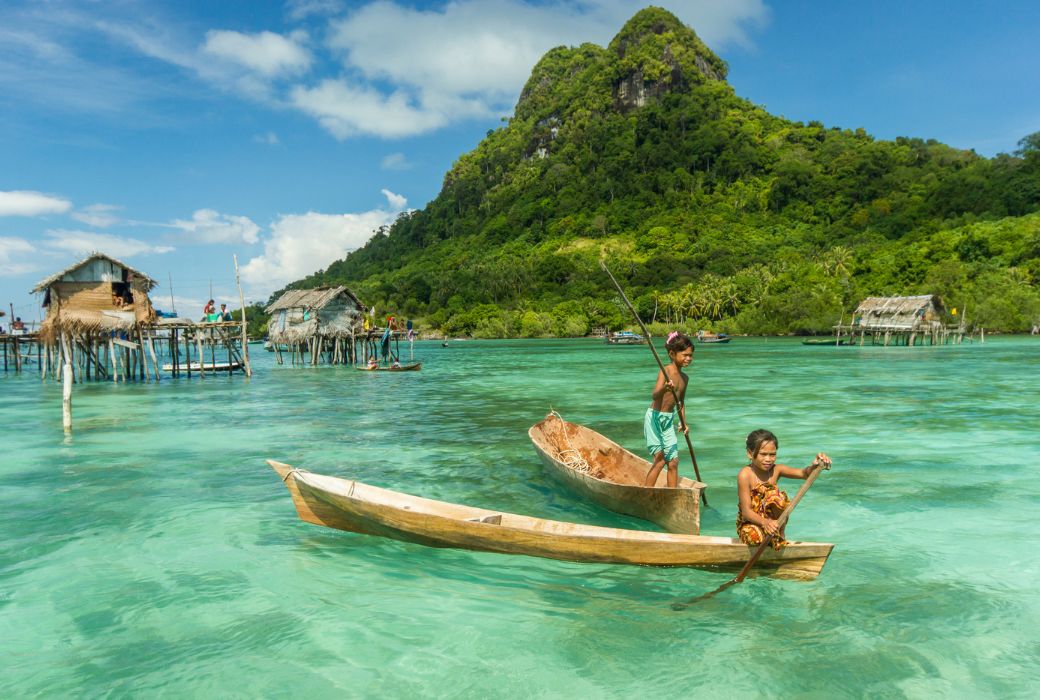
Borneo is another destination she rates for well-managed tourism. “During our Borneo Family Holiday, families can plant seedlings along the Kinabatangan River as part of a reforestation project run by KOPEL, a local community-run conservation organisation whose aim is to provide villagers with the means of making a sustainable living from the forest,” she adds.
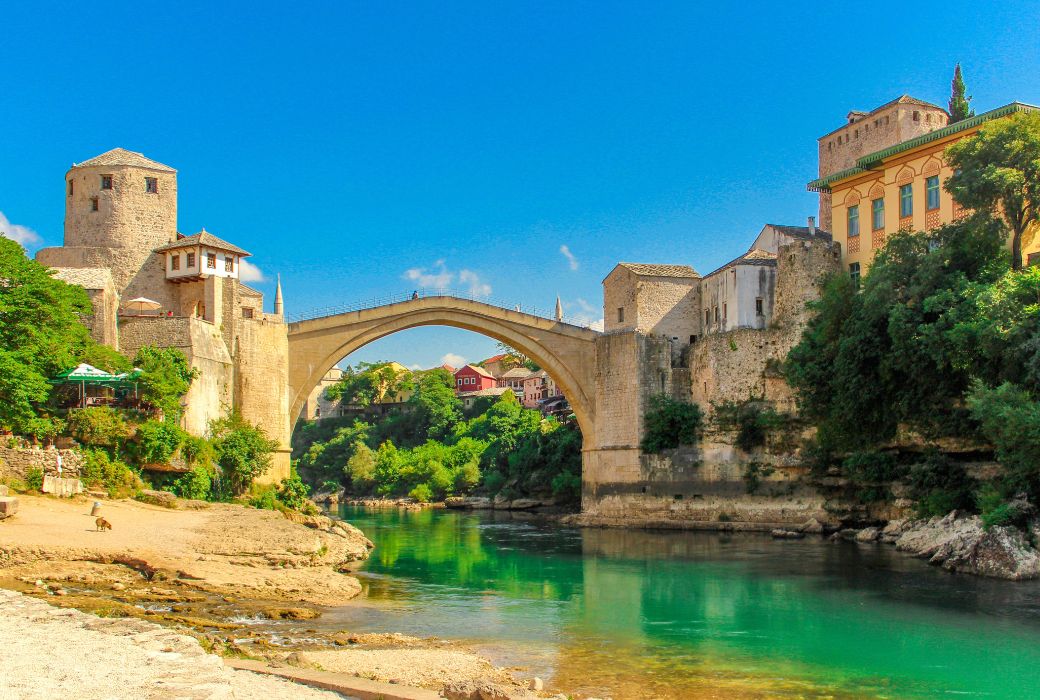
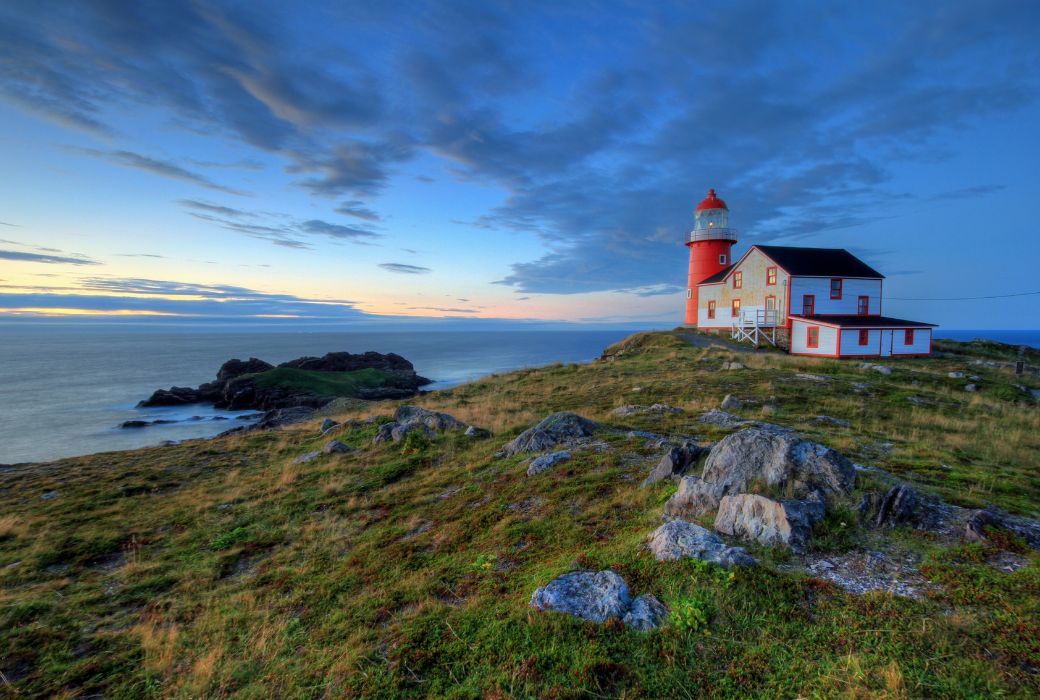
Iceland’s infrastructure and environment took a huge hit with an almost 360 per cent increase in visitors in just 10 years. Julie suggests adventurous families who wish to discover pristine landscapes and wildlife might instead consider Newfoundland and Labrador, Canada’s most easterly province.
“Picturesque coastal fishing towns, such as Bonavista and Trinity, are full of colourful homes nestled on rocky shores and pebble beaches. Families can check out cultural attractions such as museums and historic lighthouses and enjoy the spectacle of 20,000-year-old icebergs as they float down ‘iceberg alley’ from April to August,” she says.
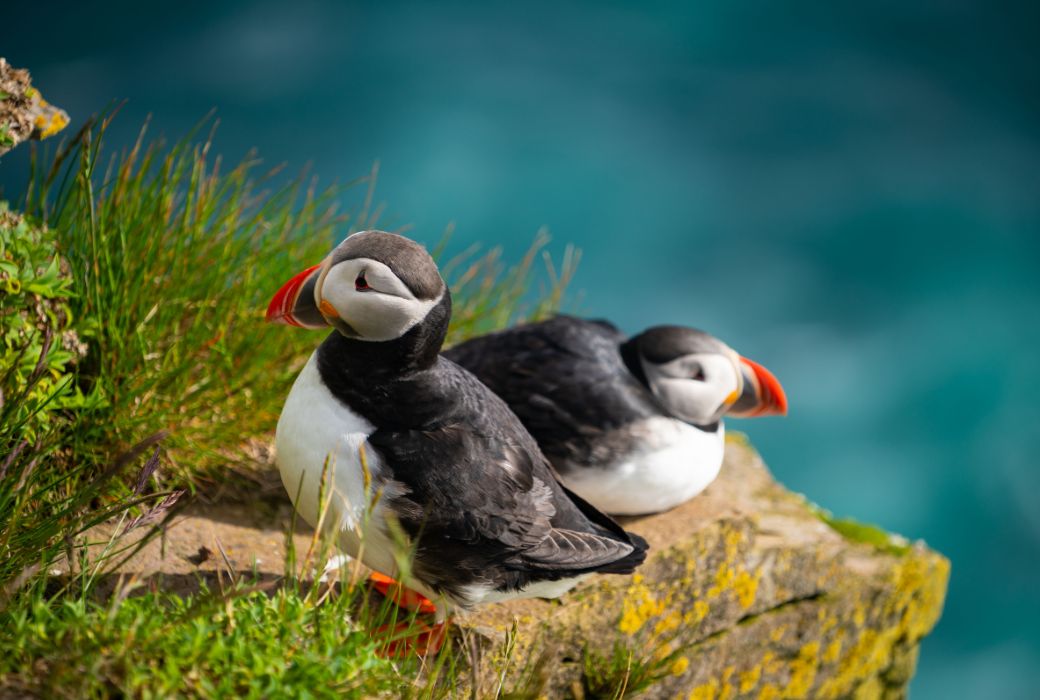
Abundant with wildlife the province is among the best whale-watching locations in the world, with 22 species of whales. Families can also enjoy close encounters with puffins on a boat or kayak tour at Witless Bay Ecological Reserve, home to more than 500,000 of the comical birds.
“Children and parents alike will fall in love with those orange-blue beaks and matching orange gum boots that make Atlantic puffins so adorable.”
But, Julie says, “the best thing about Newfoundland is the people. They welcome visitors with open arms – don’t be surprised if you find yourself invited for dinner by a local you’ve just met!”
This article originally appeared in Holidays with Kids magazine. Subscribe to the latest issue here.

Spoiling dad on Father’s Day with a lazy lie-in and breakfast in bed is a tale as old time. This...
Read More
Use your extra time at home to pick up some new photography skills – or teach the kids!...
Read MoreBrowse our selection of great family accommodation options around the world